

Are mycotoxins a concern for you?
Probiotech has solutions
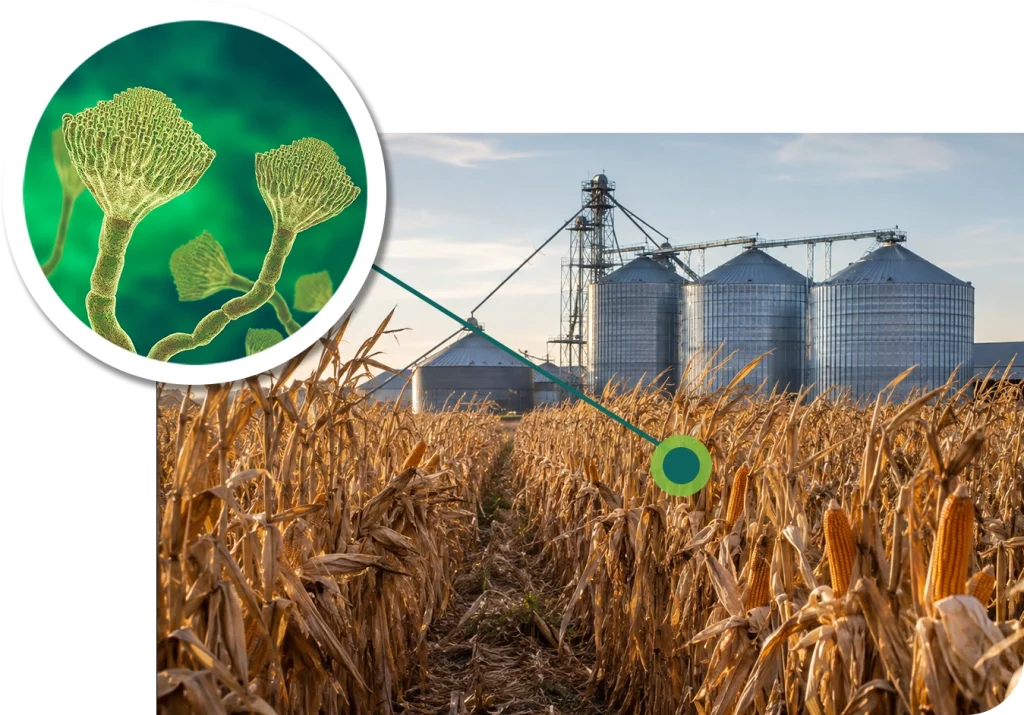
Are mycotoxins a concern for you?
Probiotech has solutions
October 5, 2026
Mycotoxins can affect animal health and performance without always causing obvious signs. Found in grains, forages and silages, they represent a complex challenge because multiple mycotoxins can be present at the same time, and their effects vary depending on the species, level and duration of exposure.
Some of the main mycotoxins encountered in animal production include DON (vomitoxin), zearalenone (ZEA), T-2 toxin, fumonisins and ochratoxin A. Toxins produced by Fusarium, including DON and ZEA, can be found together in the same batch of grain.
Impacts that are not always easy to recognize
Exposure to mycotoxins can result in various signs, including reduced feed intake, decreased performance, poorer feed efficiency, reproductive issues or effects on the immune system. In some cases, these impacts can occur without visible clinical signs, making them more difficult to identify.
Some documented examples:
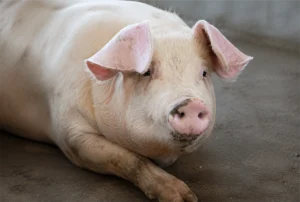
Swine — DON and ZEA: swine are particularly sensitive to Fusarium mycotoxins. DON is notably associated with reduced feed intake and weight gain, while ZEA is primarily recognized for its estrogenic and reproductive effects.
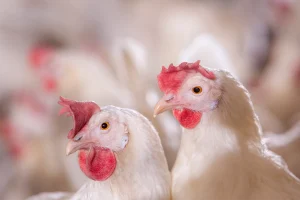
Poultry — T-2 toxin: trials in broiler chickens have documented the effects of T-2 toxin on performance. This sensitivity highlights the importance of considering trichothecenes when assessing risk in poultry production.
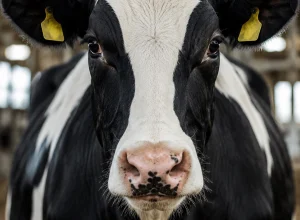
Dairy cattle — considering the full picture: grain and forage quality, storage conditions, the simultaneous presence of multiple contaminants and observed performance should all be considered when a mycotoxin issue is suspected.
An approach tailored to your situation
The mycotoxin present, its contamination level, the animal species, stage of production and observed signs are all factors to consider.
That is why Probiotech focuses on an approach tailored to each situation rather than a one-size-fits-all response.
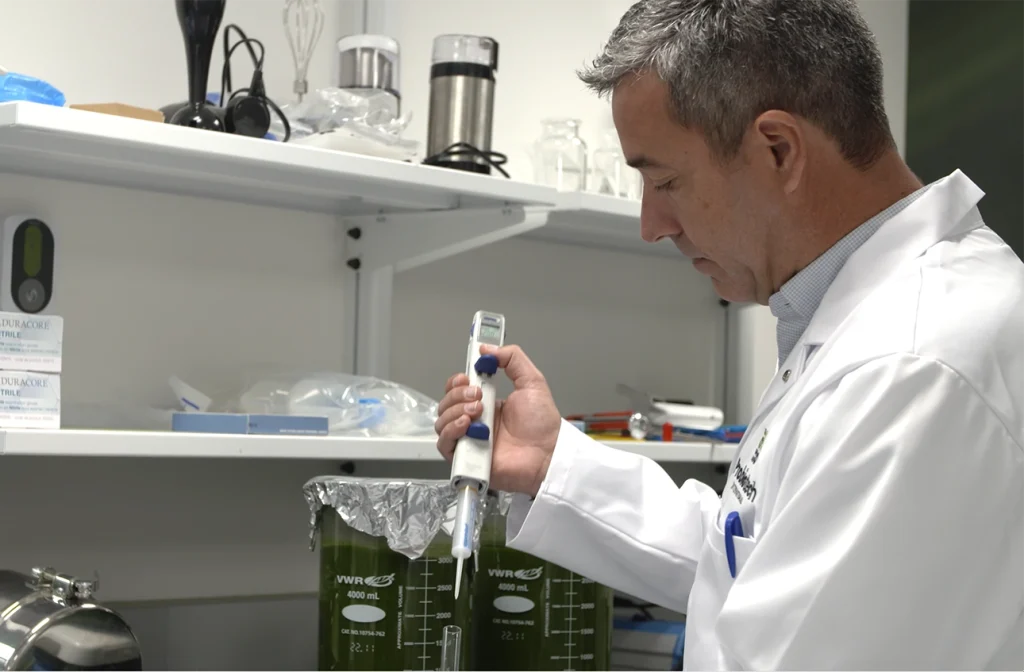
Different technologies for different challenges
At Probiotech, our approach draws on different technologies and modes of action to address the conditions encountered in the field.
An adsorption-based approach
One of the technologies studied by Probiotech is based on a purified and activated aluminosilicate, whose properties allow it to adsorb mycotoxins in the digestive system.
And not all adsorption technologies are equal.
In a comparative in vitro trial conducted with zearalenone at 3,000 ppb, the technology studied by Probiotech demonstrated approximately 95% net adsorption, compared with approximately 0 to 15% for the seven other products evaluated. Net adsorption takes into account not only initial adsorption, but also desorption when pH changes.
Scientific References
Pollmann, D. S., Koch, B. A., Seitz, L. M., Mohr, H. E. & Kennedy, G. A. (1985). Deoxynivalenol contaminated wheat in swine diets. Journal of Animal Science, 60:239–247.
Bergsjø, B., Langseth, W., Nafstad, I., Jansen, J. H. & Larsen, H. J. S. (1993). The effects of natural deoxynivalenol contaminated oats on the clinical condition, blood parameters, performance and carcass composition of growing pigs. Veterinary Research Communications, 17:283–294.
Tiemann, U. & Dänicke, S. (2007). In vivo and in vitro effects of the mycotoxins zearalenone and deoxynivalenol on different non-reproductive and reproductive organs in female pigs: A review. Food Additives & Contaminants, 24(3):306–314.
CAST (2003). Mycotoxins: Risks in Plant and Animal Systems. Task Force Report 139, Council for Agricultural Science and Technology.
Want to learn more? Talk to our specialists.
Probiotech can help you assess the situation and identify the solution best suited to your needs.
Call us at 450-771-7252 or toll-free at 1-800-267-7252, or email us at info@probiotech.com.
Our team will be happy to assist you.
